Understanding Age-Related Macular Degeneration
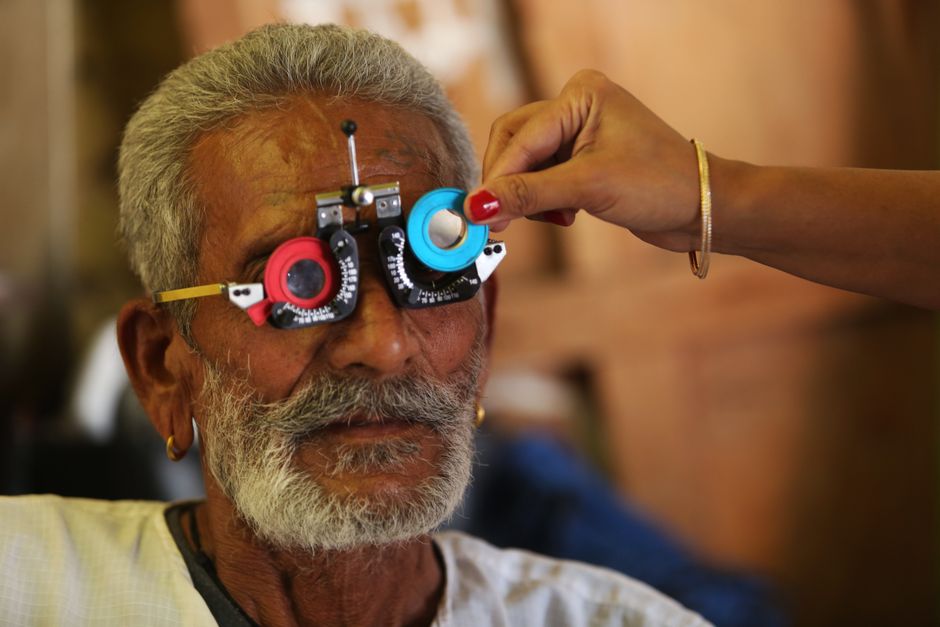
Age-related macular degeneration (AMD) is one of the leading causes of vision loss in people over 50 in the UK. It affects the macula, the small area in the centre of the retina responsible for sharp, detailed vision needed for reading and recognising faces.
What causes AMD?
AMD develops when cells in the macula gradually break down over time. The exact cause isn't fully understood, but risk factors include age, family history, smoking, high blood pressure, and poor diet. There are two main types: dry AMD, which is more common but progresses slowly, and wet AMD, which can cause rapid vision loss but is treatable if caught early.
Recognising the symptoms
Early signs include blurred central vision, difficulty reading, colours appearing less vibrant, and straight lines appearing wavy. Some people notice a dark patch in the centre of their vision. These symptoms don't appear overnight—they develop gradually, which is why regular eye tests are crucial.
Getting a diagnosis
Your optician can detect early signs of AMD during a routine eye test using specialised equipment. If AMD is suspected, you'll be referred to an eye specialist for further investigation, including optical coherence tomography (OCT) scans that provide detailed images of the retina.
Treatment options
For dry AMD, there's no cure, but a healthy lifestyle helps slow progression. Eating leafy greens, oily fish, nuts, and taking certain vitamin supplements may help. For wet AMD, anti-VEGF injections can slow or stop vision loss if given promptly. Laser therapy is sometimes used for specific cases.
Living well with AMD
Many people with AMD maintain good quality of life through adaptations. Low-vision aids like magnifying glasses, special lighting, and screen-reading software can help. Your GP can refer you to rehabilitation services that teach coping strategies.
If you're over 50 or have family history of AMD, book an eye test now. Early detection makes a real difference to outcomes.