Glaucoma: The Silent Thief of Sight
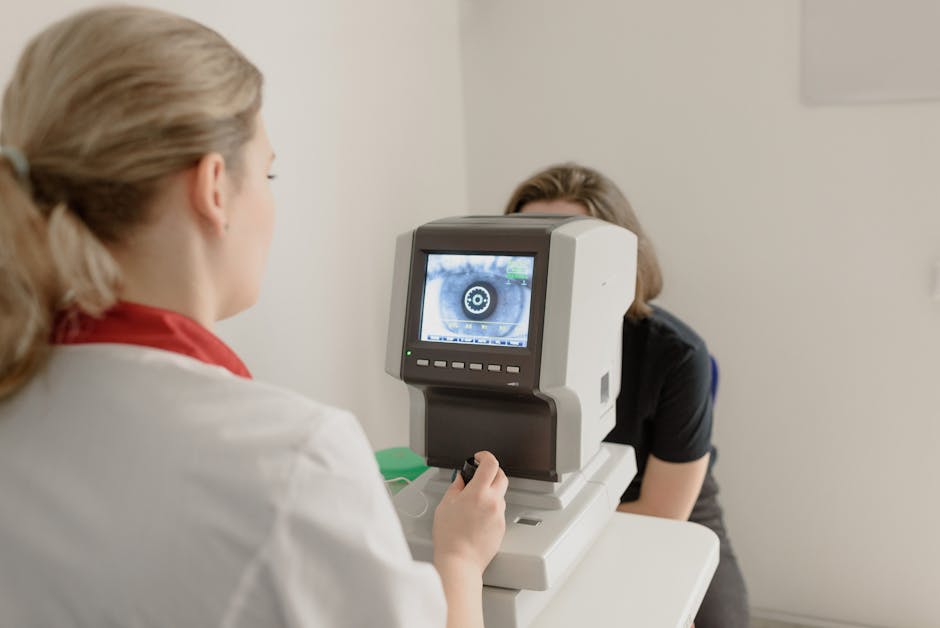
Glaucoma is often called the "silent thief of sight" because it typically causes no symptoms until significant, irreversible vision loss has occurred. It's the second leading cause of blindness worldwide, yet many people don't realise they have it until substantial damage has been done.
What is glaucoma?
Glaucoma develops when fluid pressure inside the eye (intraocular pressure) rises, damaging the optic nerve. The optic nerve carries visual information from the eye to the brain. Once damaged, this damage is permanent, but early treatment can slow or halt progression.
Types of glaucoma
Open-angle glaucoma is most common, developing gradually as the eye's drainage system becomes less efficient. Angle-closure glaucoma is rarer but develops suddenly and requires urgent treatment. Secondary glaucoma results from other eye conditions. Normal-tension glaucoma occurs with normal eye pressure but still causes optic nerve damage.
Who's at risk?
Risk factors include age over 60, family history of glaucoma, high intraocular pressure, thin corneas, ethnicity (people of African descent are at higher risk), and conditions like diabetes or high blood pressure. You might have no risk factors and still develop glaucoma, which is why regular testing matters.
Symptoms and detection
Most people have no symptoms until advanced stages. Some with angle-closure glaucoma experience sudden eye pain, blurred vision, halos around lights, or nausea—seek emergency care immediately if this occurs. Regular eye tests are the only reliable way to catch open-angle glaucoma early.
Diagnosis and monitoring
Your optician measures eye pressure using tonometry—a quick, painless test. They examine your optic nerve head and may perform visual field testing to check for damage. If glaucoma is suspected, you'll be referred to a specialist for confirmation and treatment planning.
Treatment options
Eye drops that reduce intraocular pressure are the first-line treatment. Different types work in different ways—some reduce fluid production, others improve drainage. If drops prove insufficient, laser treatment or surgery may be recommended. Treatment aims to prevent further damage, not restore lost vision.
Living with glaucoma
Use prescribed drops exactly as directed—missing doses allows pressure to rise. Attend all monitoring appointments so your eye specialist tracks progression. Report any new symptoms immediately.
If you're over 40 or have risk factors, ensure your eye test includes glaucoma screening. Early detection is the difference between maintaining sight and losing it.