Diabetic Retinopathy: Protecting Your Vision with Diabetes
Diabetic retinopathy is eye damage caused by diabetes complications. It's a leading cause of blindness in working-age adults in the UK, yet it's largely preventable with good diabetes management and regular eye screening. Understanding this condition empowers you to protect your sight.
How diabetes damages the eyes
High blood sugar levels damage small blood vessels in the retina. These damaged vessels leak fluid and bleed, disrupting vision. Initially, you might not notice any symptoms, which is why screening is crucial. Over time, if untreated, severe vision loss or blindness can result.
Stages of diabetic retinopathy
Retinopathy progresses through stages. Background retinopathy shows early changes but causes no symptoms. Pre-proliferative retinopathy involves more extensive damage. Proliferative retinopathy, the most serious stage, involves new blood vessel growth that can cause severe bleeding and retinal detachment. Diabetic macular oedema occurs when fluid accumulates in the macula, blurring central vision.
Risk factors and prevention
Duration of diabetes, poor blood sugar control, high blood pressure, and high cholesterol increase risk. Smoking significantly worsens outcomes. The good news: controlling blood sugar, blood pressure, and cholesterol substantially reduces risk. Regular exercise, healthy eating, and medication compliance matter enormously.
Screening and early detection
The NHS offers free diabetic retinopathy screening to all people with diabetes aged 12 and over. You'll receive an invitation for screening annually or more frequently if changes are detected. Screening involves taking photographs of your retina—quick, painless, and highly effective at detecting early changes before symptoms appear.
Symptoms to watch for
Early stages usually cause no symptoms, which is why screening is essential. Later signs include floaters (small spots drifting across vision), blurred vision, sudden vision loss, or difficulty seeing at night. If you experience these symptoms, contact your eye clinic immediately.
Treatment options
If retinopathy is detected, treatment depends on severity. Good diabetes management may slow progression. Laser treatment seals leaking blood vessels. Anti-VEGF injections reduce fluid and abnormal blood vessel growth. Vitrectomy surgery removes blood from the vitreous if severe bleeding occurs. Earlier-stage treatment is usually less invasive and more effective.
Taking control
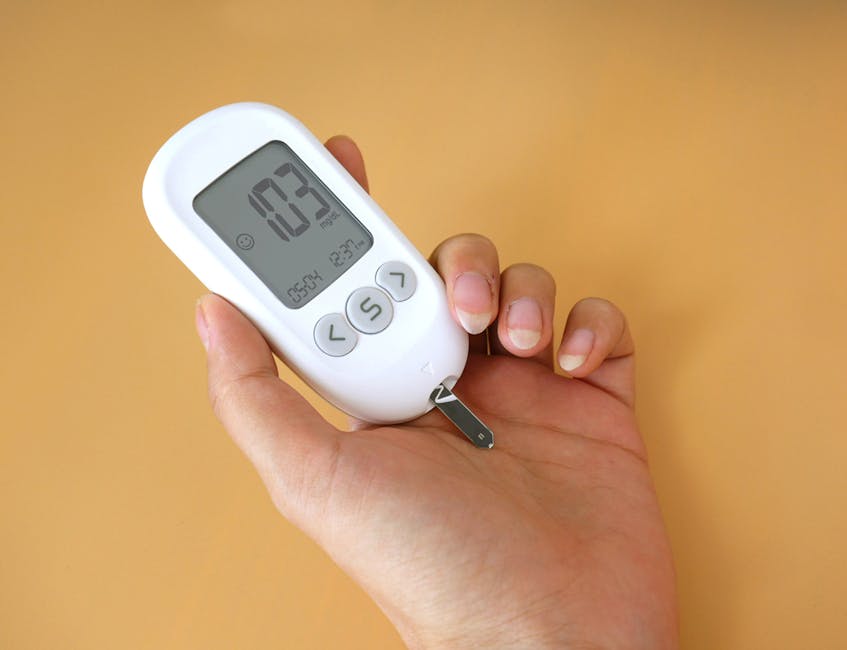
Attend your screening appointments without fail. Monitor your blood sugar regularly using your meter or continuous monitor. Take medications as prescribed. Maintain healthy blood pressure and cholesterol. Exercise regularly and eat a balanced diet. These actions significantly reduce your risk of sight-threatening complications.
If you have diabetes, protecting your eyes is protecting your independence and quality of life. Regular screening and good diabetes management are your best defences against vision loss.